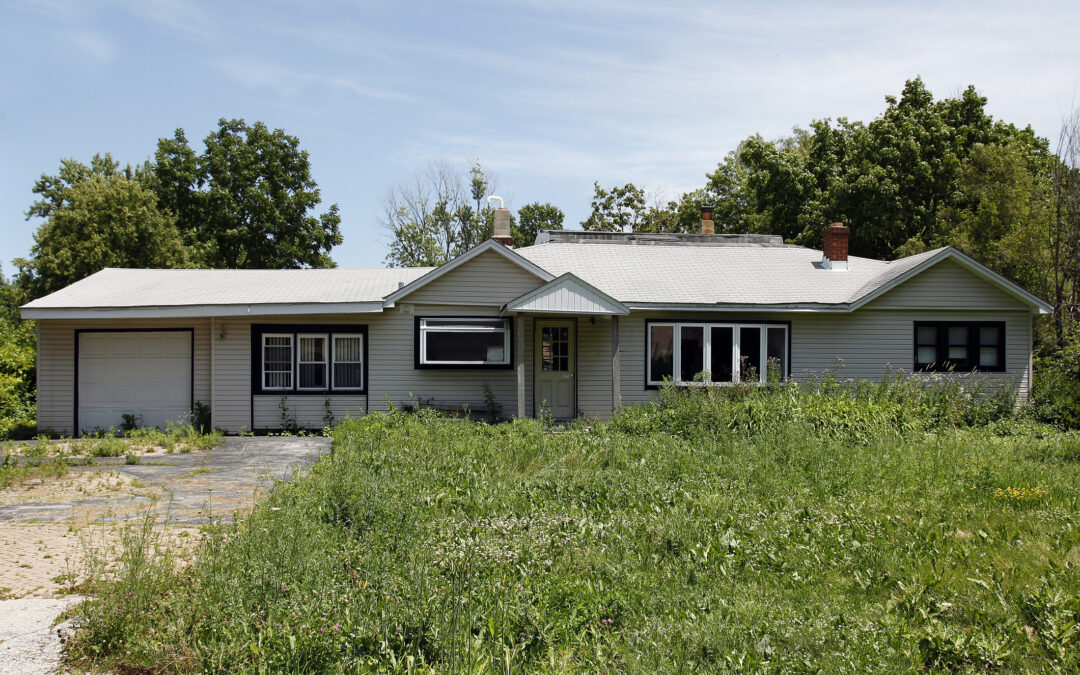
Inheriting a property often feels like a fresh start, but if it comes with a mortgage not only can it carry financial baggage, but if the payments do not continue while the property transitions to the heirs, it may end up in foreclosure.
Understanding how to stop a foreclosure on an inherited property is essential if you want to keep the home. In this post, foreclosure lawyers at Cozmyk Law Offices, LLC explain your options.
Understanding the Risk of Foreclosure
Lenders will trigger a foreclosure on inherited real estate if several mortgage payments have been missed. If the property is in the deceased person’s name, and not in the name of the heirs, then the heirs may not even receive notice, or worse, the lender may not know the names of the heirs and end up publishing service in a local newspaper or less circulated legal news document which the heirs may never see. That is why it is very important for the heirs who are trying to stop the foreclosure process to get confirmed as the “successor in interest” as quickly as possible. This will allow the heir to receive the notices and necessary information to move to the next step. But the foreclosure process can move quickly, which is why it is important to take action as soon as possible.
Ultimately, the heir will need to decide whether keeping the inherited property is in their best interest. It might be better to list the home and sell it on their own terms than lose it to foreclosure.
Some people find understanding inheritance issues overwhelming, which is why consulting a foreclosure lawyer can be helpful. An attorney can help you understand your risk of foreclosure and options for moving forward.
Options To Keep or Resolve the Property
There are a few options for stopping a foreclosure on an inherited home. You need to carefully consider your financial circumstances and long-term goals. Where possible, try to keep the mortgage payments up to date to avoid negative repercussions.
If you’ve already missed a few payments, speak to the lender about reinstatement. This means you’ll pay the overdue amount and any fees associated with it. Some lenders may let you spread out the missed payments over time, but only if you speak to them early.
Loan assumption and modification is your other option. This is a little like refinancing in that you negotiate a more affordable repayment plan. It’s one of the most practical inherited property foreclosure solutions for those who want to keep the home.
Is keeping the property realistic? If not, list it as soon as possible. A traditional sale might mean paying off the mortgage and preventing foreclosure altogether.
Using Legal Protections To Delay or Stop Foreclosure
When you file for bankruptcy, you receive an automatic stay that buys you time to explore other solutions. You may also have the right to redeem the property in Ohio if you can pay off the full loan amount before the court confirms the foreclosure sale. Most of these options require you to be on the deed of the property, and so if that has not yet happened, you may also need to talk to a probate lawyer.
Understanding how to avoid foreclosure after inheriting a house can be difficult. If you’re not sure what to do next, it might pay to speak to an attorney.
Moving Forward With a Plan
Do you need to stop foreclosure on an inherited property? It’s important to get professional advice as soon as possible. Call Cozmyk Law at (877) 570-4440 to learn about your options and potentially start negotiating a resolution.